Build
Can you build it for a cost its value will support?
Energy
Can energy work as an asset rather than a cost and a constraint?
Mobility
How will people get about without a car each, and what does that free up?
Landscape
Is the outdoor space doing work, or is it what is left over?
Community
What gives people a reason to stay, and neighbours a reason to support it?
Operations
Who will run it once people move in, and what will that cost?
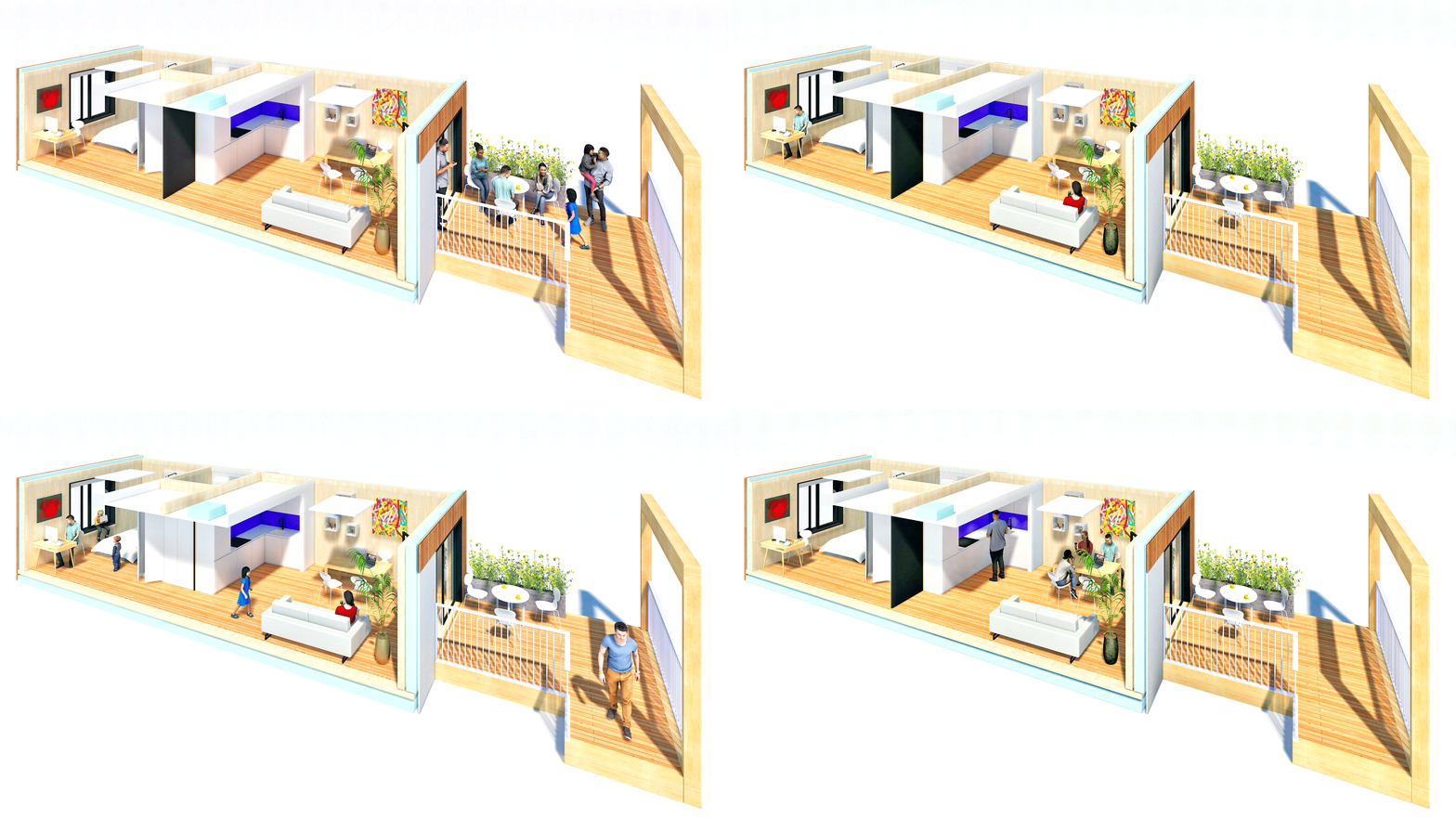
Build
Can you build it for a cost its value will support?
Construction route including modern methods, density and massing, groundworks, programme and embodied carbon.
With Energy
Fabric and generation are designed together, cutting plant cost and easing the grid connection.
With Landscape
Topography and green infrastructure are counted as value, not only as cost.
With Operations
Design decisions made with management in mind cut the lifetime cost of running the place.
Off-site Production, On-site Assembly
Our kit-of-parts approach separates production from construction, quality control, speed and reduced waste.
3D Pods
Fully fitted shower rooms and kitchens produced in the factory and craned into position, ready to connect.
2D Structural Panels
High-performance structural timber panels from certified forests, fast to erect, beautiful to inhabit.
Digital Twin & BIM
Every project modelled digitally for design optimisation, supply chain coordination and lifecycle management.
Minimised Groundworks
Innovative foundation approaches reduce concrete use and site disruption, faster starts, lower embodied carbon.
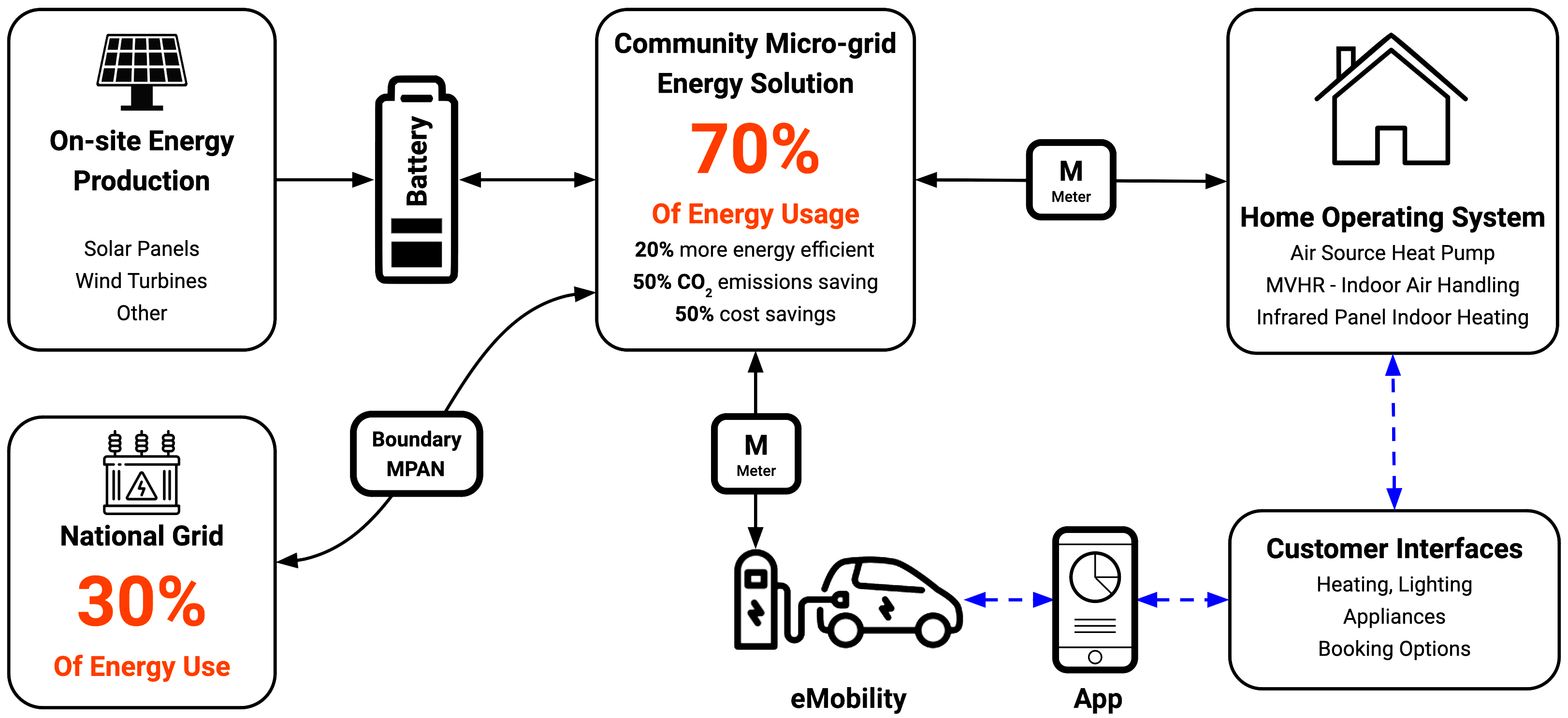
Energy
Can energy work as an asset rather than a cost and a constraint?
Grid capacity and connection cost, on-site generation and storage, community energy and ESCo options, and what residents will pay.
With Build
Fabric and generation are designed together, cutting plant cost and easing the grid connection.
With Mobility
Charging, mobility hubs and grid capacity are planned once, and each strengthens the other's business case.
With Operations
Energy stops being a running cost and becomes income that pays for the place to be looked after.
Micro-Grid Production
On-site energy generation integrated with solar, battery storage and smart demand management for shared community savings.
Solar + Battery Storage
Integrated renewables and battery storage maximise self-consumption, reduce grid dependency and cut resident bills.
Smart Energy Management
AI-assisted demand management optimises consumption across all units in real time.
Community Sharing
Excess energy is shared across the community, lowering costs and supporting grid flexibility.

Mobility
How will people get about without a car each, and what does that free up?
Station proximity, walking and cycling routes, shared vehicles, and the parking ratio and the land it consumes.
With Energy
Charging, mobility hubs and grid capacity are planned once, and each strengthens the other's business case.
With Landscape
Land released from parking becomes space for planting, play and people.
With Community
Easy access to work and education keeps people in the place and their spending local.
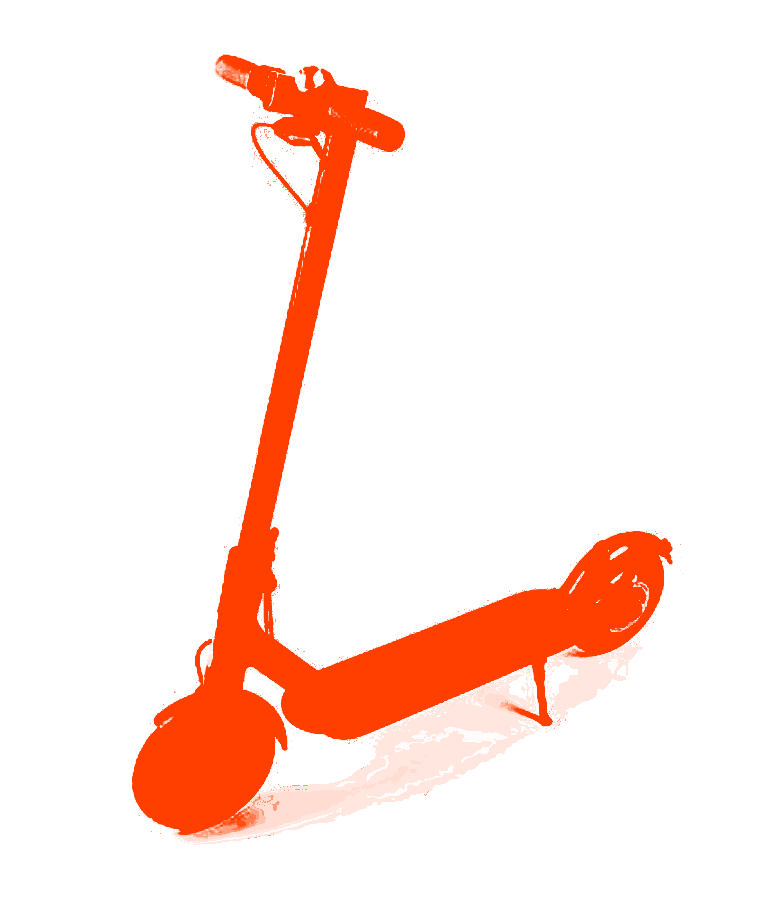
E-Scooter Sharing
On-site e-scooter schemes give residents a zero-emission last-mile option right at their door.
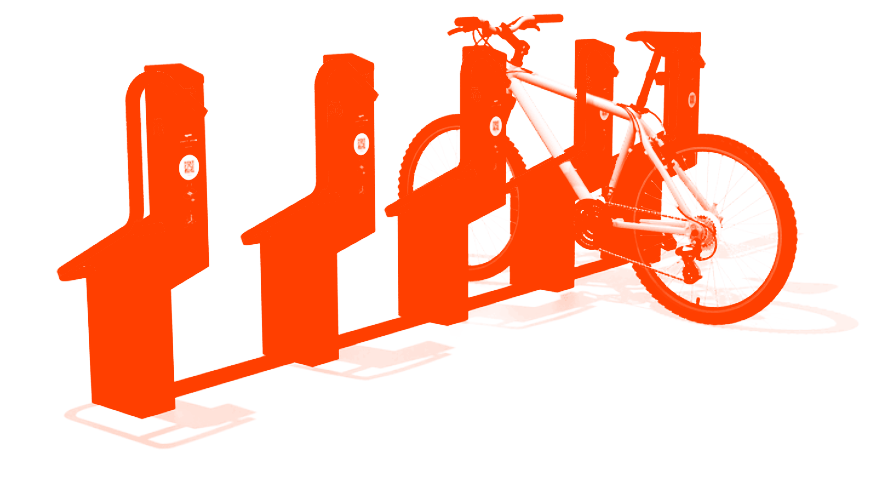
E-Bike Communal Fleet
A shared fleet of electric bikes reduces the need for car ownership and promotes active travel.
EV Car Club
Shared electric vehicle access, the convenience of a car without the cost or carbon of ownership.
Reduced Parking
Lower car dependency means more space for people, landscaping, play and community, not tarmac.
Landscape
Is the outdoor space doing work, or is it what is left over?
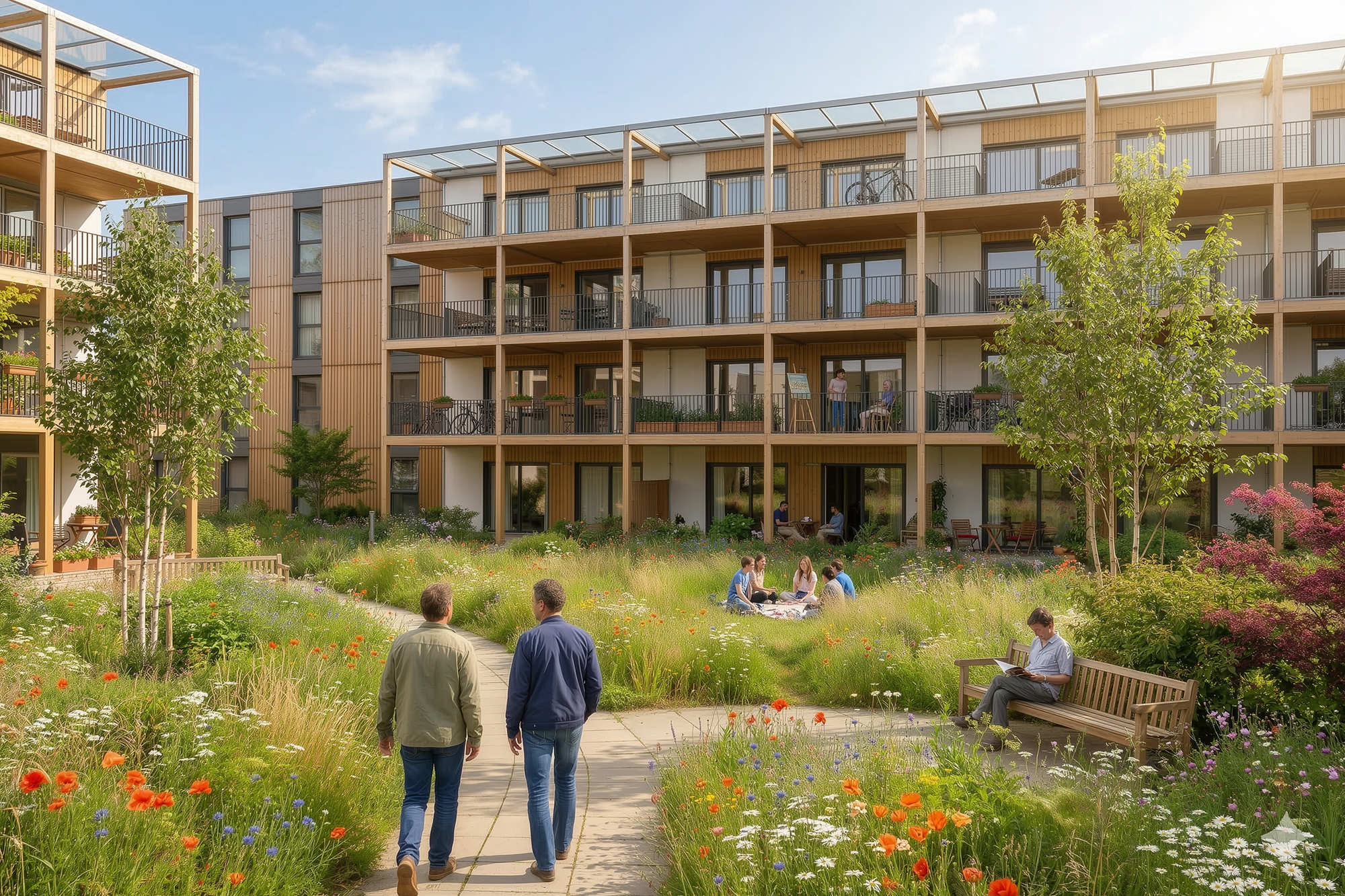
Biodiversity net gain, water, productive and social space, and the public realm.
With Build
Topography and green infrastructure are counted as value, not only as cost.
With Mobility
Land released from parking becomes space for planting, play and people.
With Community
Green space people actually use keeps residents for longer.
Allotments
Accessible allotments with fruit trees, storage benches, composting and insect habitats, for residents and community groups.
Rainwater Harvesting
A rill harvests rainwater for allotment irrigation, closing the water loop on-site.
Play & Wildflower Meadow
Play areas and wildflower planting support children, pollinators and biodiversity net gain.
Covered Cloister
A sheltered perimeter provides all-weather space for food markets, community events and crèche.
Community
What gives people a reason to stay, and neighbours a reason to support it?
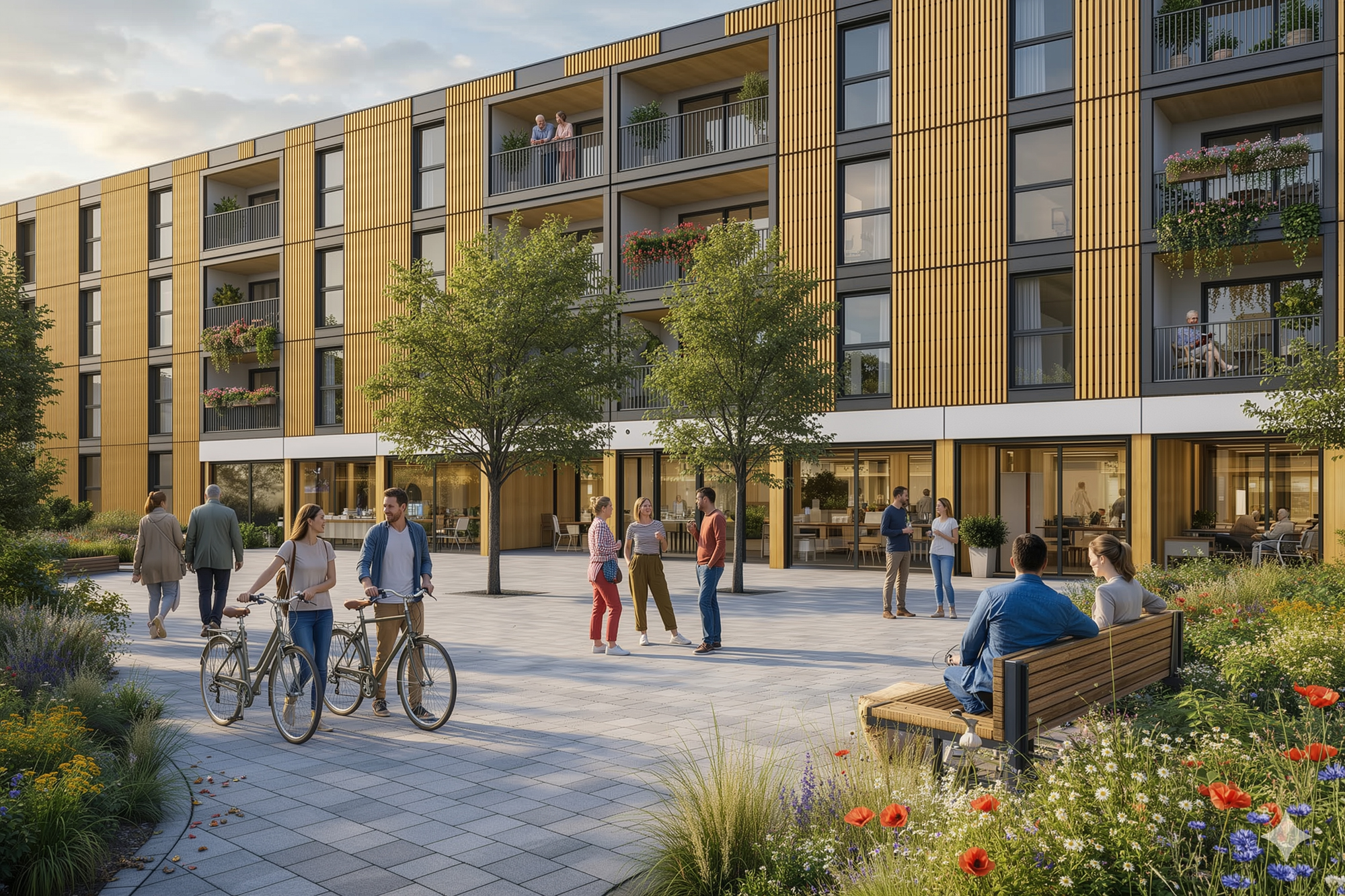
Shared amenity, what the ground floor is for, how circulation is designed, local partnerships and stewardship.
With Mobility
Easy access to work and education keeps people in the place and their spending local.
With Landscape
Green space people actually use keeps residents for longer.
With Operations
Shared amenity and good management reinforce each other, so the place can fund its own upkeep.
Social Spaces
Shared lounges, roof terraces and courtyards designed for spontaneous connection and curated events.
Curated Events
Food markets, film nights, skills workshops, a living programme that brings residents together.
Local Partnerships
We work with local businesses, charities and creatives to root each development in its neighbourhood.
PositivePlaces App
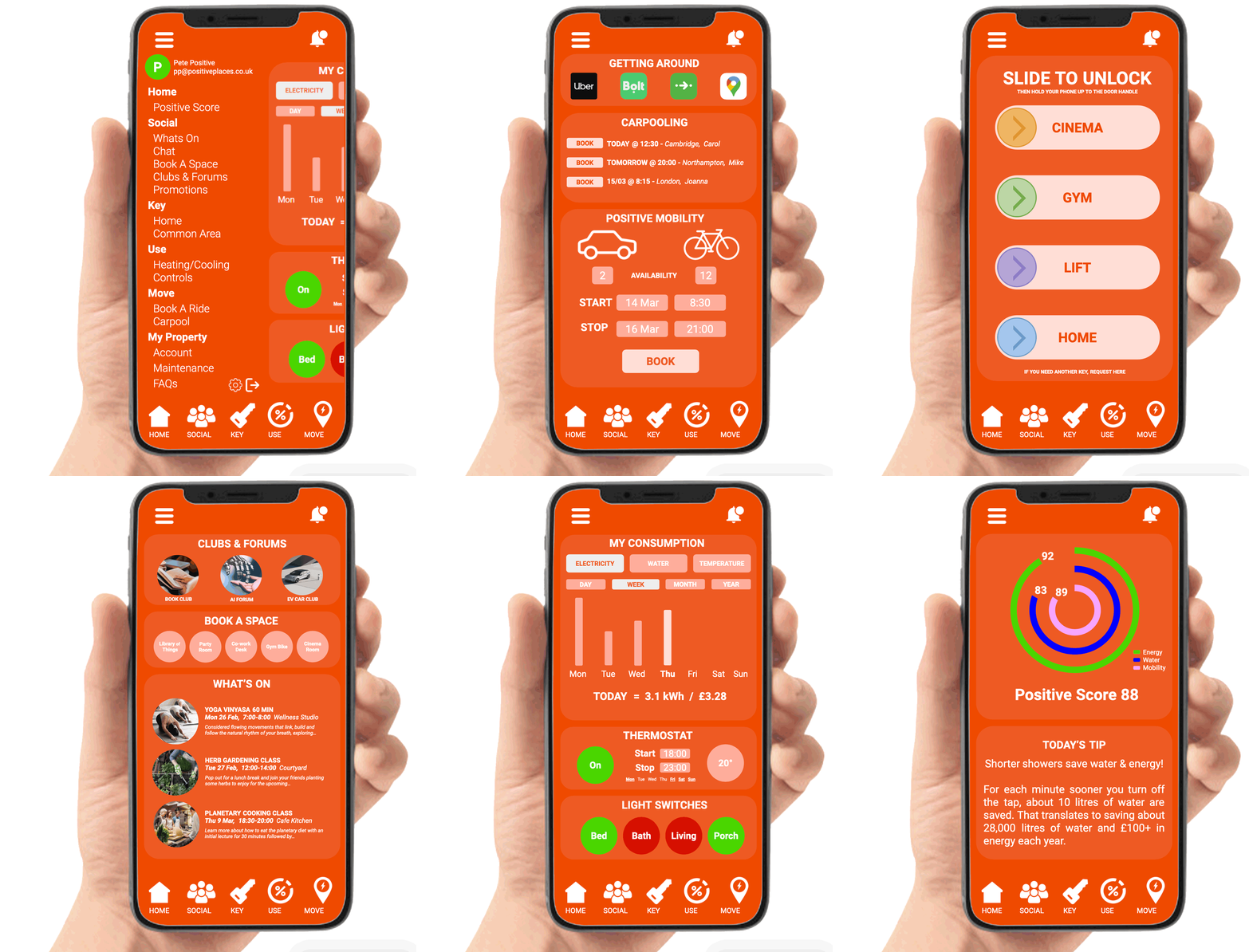
The digital glue, connecting residents to each other, to building management and to local services.
Operations
Who will run it once people move in, and what will that cost?
Management model, operating cost, tenure mix, long-term stewardship and the data needed to run it well.
With Build
Design decisions made with management in mind cut the lifetime cost of running the place.
With Energy
Energy stops being a running cost and becomes income that pays for the place to be looked after.
With Community
Shared amenity and good management reinforce each other, so the place can fund its own upkeep.
Digital Keys
Keyless entry integrated with the resident app for frictionless access and security.
Environmental Sensors
Real-time monitoring enables optimised climate control and ongoing design improvement.
Parcel Management
Smart lockers eliminate missed deliveries and reduce vehicle movements on-site.
Smart Thermostats
Connected thermostats give residents control while enabling whole-building energy optimisation.